Skip to content


A backyard pool should be a place for relaxation, laughter, and long summer afternoons—not a source of stress or safety concerns. Yet many homeowners are unaware that pool decks must comply with specific building codes and safety requirements to prevent accidents and ensure compliance.
In Connecticut, regulations cover everything from fencing height and slip resistance to structural support and ladder placement. Ignoring these details can lead to costly repairs, liability issues, or dangerous conditions around the pool. Understanding the fundamentals of pool decks safety helps homeowners make smarter decisions when planning upgrades or new installations, ensuring their outdoor space remains both enjoyable and secure.
Let’s take a closer look at pool deck construction processes and what homeowners need to know about pool deck safety this season!
Why Pool Safety Is Critical for Connecticut Homeowners

Pool deck durability and safety are vital responsibilities for Connecticut homeowners, often underestimated until problems arise. Regular deck inspections ensure compliance with safety standards, with a focus on slip resistance to reduce accidents. Proper construction methods create a secure environment, while effective fencing protects children and pets.
Together, these measures enhance safety, durability, and peace of mind. By prioritizing safety in your pool deck, homeowners not only safeguard loved ones but also avoid liability issues, ensuring an enjoyable, worry‑free summer experience.
Connecticut Pool Fencing& Barrier Requirements
Connecticut pool design for fencing has some key rules and guidelines. They are designed to protect families and ensure compliance with safety codes. These requirements focus on height, gate mechanisms, and spacing, all of which work together to reduce risks and strengthen pool deck safety for homeowners.
Minimum FenceHeight Requirements
Connecticut requires pool fences to be at least 48 inches high, creating a barrier that deters unauthorized access. This standard is especially important for child safety. Always consult local codes and reputable builders to ensure compliance, and consider how ladders integrate with these requirements.
Self‑Closing, Self‑Latching Gates
State regulations mandate pool gates that automatically close and latch. These mechanisms prevent unsupervised entry, protecting children and pets from accidents. Regularly inspect and maintain gate functionality to ensure compliance, enhance safety, and provide peace of mind for homeowners managing pool deck design and safety standards.
Distance Between Balusters/Openings
Connecticut pool fencing requires baluster spacing of no more than 4 inches. This prevents children or pets from slipping through or becoming trapped. Accurate measurements during installation or inspection ensure compliance with building codes, reduce risks, and maintain a secure pool environment for families.
How FencingSupports Overall Pool Safety
A sturdy pool fence provides a protective boundary, reducing risks of unsupervised water access. It discourages wandering and helps prevent accidents. Meeting Connecticut’s height and gate standards ensures compliance, enhances safety, and offers homeowners peace of mind while protecting children, pets, and guests.
Pool Deck Surface Requirements & Slip Resistance
When designing a pool deck, it is essential to ensure the surface meets safety requirements and provides adequate slip and safety services. Here are some key points to contemplate:
- Use textured materials to enhance grip.
- Opt for slip-resistant coatings or treatments.
- Choose materials that stay cool underfoot.
- Make sure the surface drains properly to prevent water accumulation.
- Regularly maintain the surface to keep it safe and functional.
Structural & Code Requirements for Pool Deck Construction
Connecticut pool deck installations must comply with strict codes for footing depth, load capacity, guardrails, and stairs, ensuring safety, durability, and compliance with local building standards.
Footing depth (frost line considerations in CT)
Footing depth is crucial for pool deck stability in Connecticut’s climate. Frost lines typically extend around 36 inches, requiring footings below this level to prevent heaving during freeze‑thaw cycles. Proper depth ensures structural integrity, compliance with local codes, and long‑term safety for your pool deck construction project.
Load‑Bearing Requirements
Pool decks must support significant loads, including the pool’s weight, furniture, people, and environmental loads such as snow. Meeting load‑bearing requirements ensures safety and prevents costly structural failures. Adhering to Connecticut building codes ensures your deck can withstand stress, protecting against hazards while maintaining durability and long‑term performance for homeowners.
Guardrails and Stair Code
Guardrails and stairs are vital for pool deck safety, preventing falls and injuries. Connecticut codes specify guardrail height, spacing, and materials, while stairs must meet width and tread standards. Following these regulations ensures safe navigation, compliance, and a secure environment for everyone using your pool deck area.
Importance of Proper Pool Deck Construction Methods
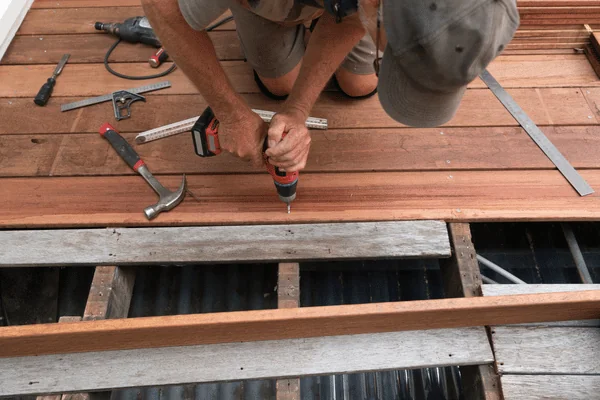
Using proper construction methods ensures pool decks remain safe, durable, and compliant with Connecticut codes. Quality materials, correct design specifications, and regular deck inspections prevent accidents and structural issues. Prioritizing safety in construction practices provides peace of mind by protecting families and extending the lifespan of your pool deck.
Attaching Pool Ladder to Deck – What Homeowners Should Know
Attaching a pool ladder to the deck securely ensures stability, prevents wobbling, and reduces the risk of accidents. Use durable hardware, follow manufacturer instructions, and inspect connections regularly for long‑term safety around the pool.
- Use corrosion-resistant hardware for durability.
- Check local building codes for specific regulations.
- Make sure the ladder is level and stable.
- Regularly inspect the attachment points for wear.
- Think about adding anti-slip materials to the deck surrounding the ladder.
Why Hiring Professional Pool Deck Builders Matters
Working with experienced local contractors is one of the best ways to ensure pool deck design and safety with Connecticut building codes. Local professionals understand regional requirements such as frost-line footing depths, fencing regulations, and material choices suited for New England’s climate.
Ludlow Deck Builders know how weather conditions, soil movement, and seasonal temperature swings affect pool deck construction. This knowledge helps prevent common structural problems and ensures surfaces maintain proper slip resistance over time. Established contractors maintain relationships with inspectors and permitting offices, helping projects move smoothly from planning through completion while ensuring your pool area remains safe and fully code-compliant.
If you are looking for some professional guidance and assistance with your pool deck project, our team is ready to go to work for you. One phone call or email is all it takes to get started!
Common Pool Deck Design and Safety Mistakes to Avoid

Many homeowners underestimate the importance of safety on pool decks, leading to avoidable accidents. To guarantee safety, avoid these common mistakes:
- Neglecting non-slip surfaces
- Skipping proper drainage
- Failing to install barriers or gates
- Ignoring regular maintenance checks
- Overlooking lighting for nighttime visibility
- Allowing clutter and furniture too close to the pool edge
Final Thoughts on Pool Deck Safety Requirements and Building Codes
Building or upgrading a pool deck requires more than choosing attractive materials—it demands careful attention to safety standards, structural requirements, and Connecticut building codes. Partnering with knowledgeable professionals ensures every detail, from pool fencing to slip-resistant surfaces, is installed correctly for long-term durability and protection.
If you’re planning a new installation or want to improve the safety of an existing deck, working with experienced builders can make the entire process easier and more reliable. Contact our team today to schedule a consultation and learn how professionally designed pool deck construction can help you create a safer, more enjoyable outdoor space for years to come.
Contact us today for a professional consultation and ensure your pool deck is built for safety, durability, and long-term enjoyment.
FAQs on Pool Deck Safety Requirements
1. What Are the Penalties for Not Following Pool Safety Codes in CT?
If you don’t follow pool deck codes in Connecticut, you might face fines, legal liabilities, or forced compliance measures. It’s essential to stay informed and guarantee your pool area meets safety standards to avoid these consequences.
2. Are There Specific Safety Requirements for Above-Ground Pool Decks?
Yes, there are specific safety requirements for above-ground pool decks. You need to guarantee proper railing, non-slip surfaces, and secure ladders. Following these guidelines keeps everyone safe and helps prevent accidents around your pool area.
3. How Often Should Pool Deck Inspections Be Performed?
You should inspect your pool at least once a year, but more frequent checks after heavy use or severe weather are wise. Regular inspections help prevent accidents and keep your pool area safe for everyone.
4. Can Homeowners Make Modifications to Existing Pool Decks?
Yes, you can modify your existing pool deck. Just guarantee the changes enhance safety and functionality. Always check local regulations and guidelines before starting any renovations to avoid potential issues later.
5. What Insurance Considerations Should Be Taken for Pool Safety?
When considering pool deck safety, you should check your insurance policy for liability coverage. It’s crucial to ensure you’re protected against potential accidents or injuries that could lead to costly claims or legal issues down the line.